TREATMENT · REGENERATIVE MEDICINE
Prolotherapy
Helping your body repair injured joints, ligaments, and tendons naturally.
If you’ve been living with persistent joint, tendon, ligament, scar tissue, trigger point or tender point pain—and rest, physical therapy, medications, or steroid injections haven’t provided lasting relief—prolotherapy may offer another path forward.
WHY PATIENTS CHOOSE BURNS FAMILY WELLNESS
How Prolotherapy Works
Prolotherapy, short for proliferative therapy, is a regenerative injection treatment that stimulates your body’s natural healing response. Rather than simply reducing inflammation or masking pain, the goal is to encourage the repair of injured ligaments, tendons, and other connective tissues so they become stronger over time.
A small amount of an irritant solution—often combined with a local anesthetic—is injected into the injured area to trigger the body’s natural healing process. Over time, this can help improve stability, reduce pain, and restore function.
CONDITIONS WE TREAT
Is Prolotherapy Right for Your Condition?
If you’re dealing with chronic tendon, ligament, or joint pain, prolotherapy may be one option to help stimulate healing and improve function. During your consultation, Dr. Burns will evaluate your condition, discuss the available treatment options, and help you decide whether prolotherapy, PRP, or another approach is most appropriate for your goals.
Prolotherapy may be appropriate for a variety of chronic ligament, tendon, and joint conditions, particularly when pain has persisted despite conservative treatment.
During your consultation, we’ll determine whether prolotherapy is an appropriate treatment for your specific condition and whether another regenerative option, such as PRP, may provide a better outcome.
As with any regenerative treatment, results vary based on the condition being treated, the severity of the injury, and your body’s natural healing response.
TREATMENT COMPARISON
Prolotherapy, PRP, and Corticosteroid Injections: What’s the Difference?
| Treatment | How it Works | Primary Goal | Expected Outcome |
|---|---|---|---|
| Prolotherapy | Uses mild irritant (often dextrose) to stimulate the body’s natural healing response. | Stimulate healing and strengthen injured ligaments, tendons, and connective tissues. | Longer-term improvement as tissues heal and become stronger. |
| PRP | Uses concentrated platelets from your own blood to deliver growth factors that support tissue repair. | Accelerate healing and regeneration of damaged tissues. | Longer-term improvement by enhancing the body’s natural repair process. |
| Corticosteroid Injections | Uses medication to reduce inflammation and suppress the body’s inflammatory response. | Provide temporary pain relief by decreasing inflammation. | Often provides short-term symptom relief but does not repair damaged tissue. |
All three can be used for acute and chronic soft tissue injuries, tendinopathies, and osteoarthritis, but research shows clear differences over time. During your consultation, Dr. Burns will help determine which treatment is most appropriate based on your diagnosis, goals, and the available evidence.
THE EVIDENCE
What Does the Research Show?
Research suggests that regenerative treatments such as prolotherapy and PRP generally provide longer-lasting improvement than corticosteroid injections for many chronic tendon, ligament, and joint conditions. While steroid injections can provide faster short-term relief, they do not repair damaged tissue and their benefits often diminish over time.
PRP has shown the strongest and most consistent long-term results for certain conditions, particularly knee osteoarthritis. Prolotherapy remains an effective, more affordable regenerative option that can provide meaningful pain relief and improved function for many patients.
YOUR VISIT
What to Expect
Longer Recovery
✓ Full benefit for tissue repair may take 3-6 months or more, particularly for tendon/ligament or more chronic injuries.
✓ Aftercare usually includes fascial release, lymph therapy, physical therapy, guided strengthening, and other individualized rehab protocol. Dr. Burns will help with referrals or recommendations, as needed.
✓ Avoid NSAIDs (which may interfere with healing) and other anti-inflammatories such as Alpha lipoic acid, Ginger, Turmeric, Boswellia, Pycnogenol, Omegas, Low Dose Naltrexone (LDN).
✓ Though hormone support is anti-inflammatory if dosed correctly we want you to continue this medication (pregnenolone, DHEA, estrogen, cortisol, testosterone, progesterone) per your provider.
MEET YOUR PHYSICIAN
Meet Dr. Burns
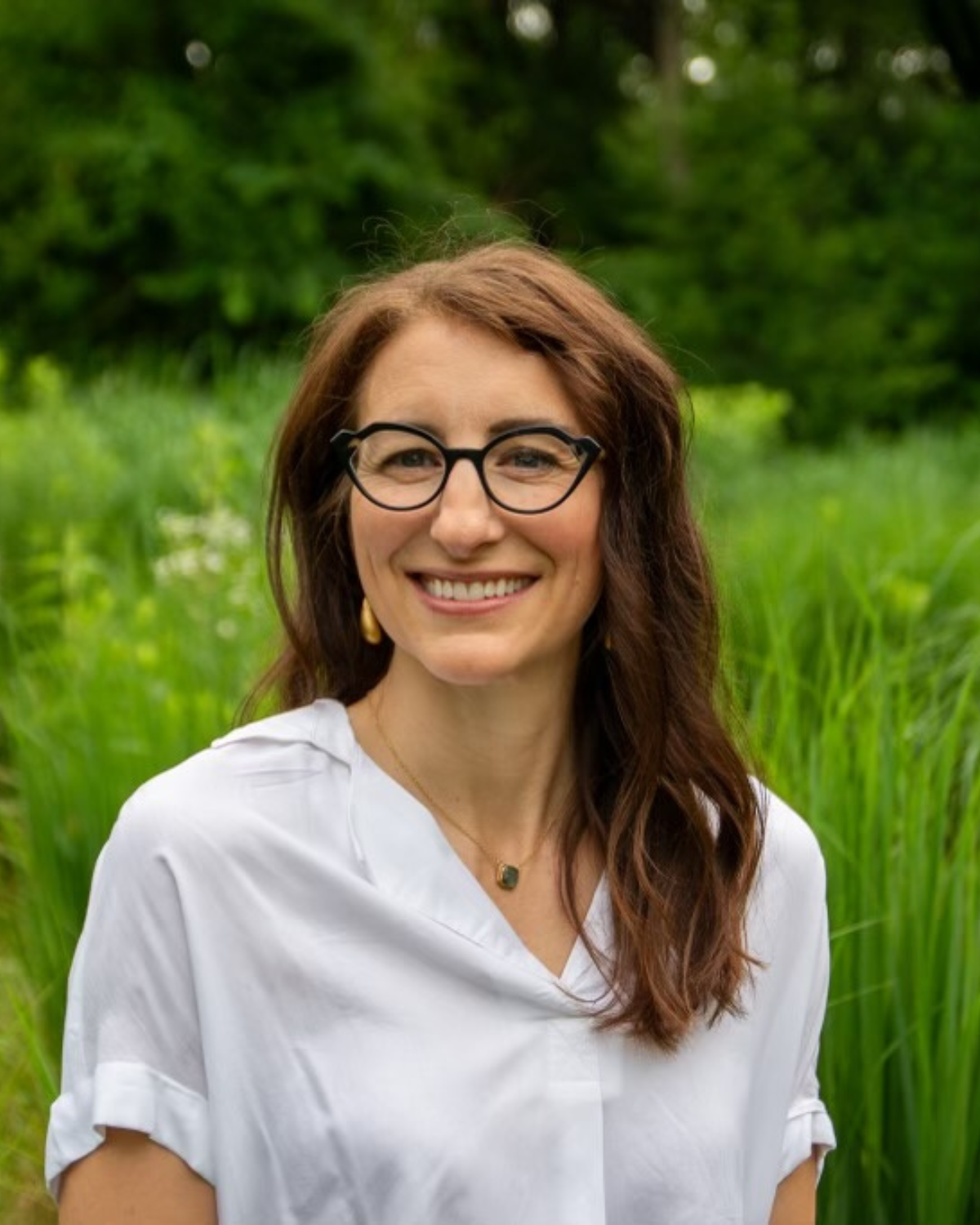
Dr. Burns is a doctor of osteopathic medicine with a background in biomedical research and functional medicine. She specializes in osteopathic manipulative therapy with a focus on fascia, movement, and the body’s natural healing capacity.
Dr. Burns believes in asking “why” and addressing root causes – not just symptoms.
Burns Family Wellness Care serves patients who value thorough, holistic care in a welcoming environment.
INVESTMENT
Transparent Pricing
 Payment is collected after your appointment. 5% for CC payments. Alternative is check.
Frequently Asked Questions
READY TO TAKE THE NEXT STEP?
Let’s talk about whether Prolotherapy is right for you.
Schedule a consultation to discuss your goals, determine whether Prolotherapy is the right option for you, and create a personalized treatment plan.